American Hardscape Design Lifestyle: The Definitive Pillar Guide
The structural evolution of residential property development across North America has transformed outdoor living. Basic utilitarian patio paving is now an intricate architectural discipline. Across distinct regional climates and historic urban revivals, the physical framing of exterior spaces reflects shifting social habits. Homeowners view exterior hardscaping as a permanent extension of indoor architectural volume. Evaluating this spatial shift requires analyzing how master landscape architecture intersects with regional stone provenance and geotechnical engineering.
This movement extends far beyond mass-market paver installations or commercial contractor catalogs. Engaging with the american hardscape design lifestyle involves examining local soil mechanics, freeze-thaw petrological indices, and municipal stormwater management ordinances. It also involves studying the interplay between architectural mass and open-air thresholds. Without a deep comprehension of these systemic engineering drivers, attempts to categorize modern exterior spaces degrade into superficial lifestyle marketing.
This guide provides a rigorous examination of the structural, material, and socio-economic dimensions shaping contemporary outdoor living. By evaluating granular soil stabilization protocols, bespoke fabrication methodologies, and long-term asset management frameworks, this document establishes a definitive reference. Sustained architectural resilience relies entirely on a disciplined approach to what constitutes the core elements of the american hardscape design lifestyle across diverse geographical territories.
Understanding “american hardscape design lifestyle”
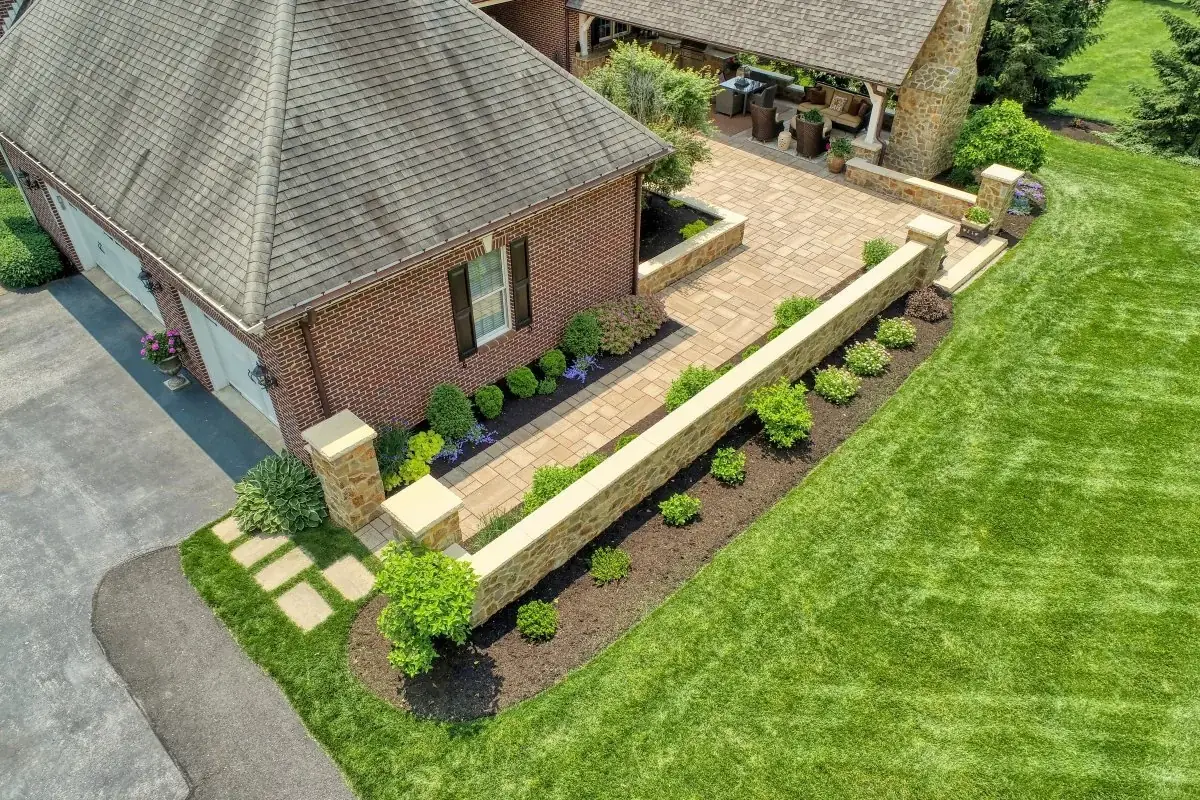
The phrase american hardscape design lifestyle encapsulates a complex synthesis of regional land-use patterns, domestic architectural history, and site-specific material engineering. Analyzing these spaces requires moving beyond generic contractor portfolios or glossy promotional brochures. A frequent misconception among property owners is that premium outdoor living environments are defined exclusively by expensive imported stone. They often ignore the critical role of sub-base compaction, hydro-geological grading, and thermal movement joints.
Oversimplification in this sector frequently stems from viewing exterior construction through a purely ornamental lens. While commercial media highlights picturesque stone patios, mastering the american hardscape design lifestyle demands an understanding of sub-grade geogrid stabilization, frost-line physics, and mortar compressive strengths. Successful custom installations integrate hidden subsurface drainage systems, precision-cut coping, and structural retaining walls directly into the topography. This neutralizes soil shifting and moisture infiltration before surface materials are ever laid.
Another layer of complexity involves balancing ambitious architectural concepts with strict municipal zoning codes and neighborhood covenants. Because heavy stone structures and built-in masonry kitchens alter site water runoff, local building departments enforce rigorous engineering reviews. Consequently, evaluating high-end residential projects requires harmonizing avant-garde spatial creativity with strict regulatory compliance.
Deep Contextual Background
The historical evolution of custom hardscaping in North America reflects broader shifts in industrial manufacturing, immigrant artisan traditions, and suburban expansion patterns. During early colonial eras, stone construction relied almost exclusively on locally quarried fieldstone and hand-chiseled blocks shaped by regional masons. These early methods prioritized structural mass and gravity-held dry-stack walls over modular standardization, embedding a distinct regional vernacular into early American architecture.
As post-war suburbanization accelerated through the mid-twentieth century, mass-produced concrete pavers and mechanized manufacturing largely supplanted hand-cut masonry across standard residential tracts. This industrial pivot lowered construction costs but homogenized the American streetscape. In response, a specialized movement of landscape artisans emerged in recent decades to revive traditional stonework, blending heritage craftsmanship with advanced geotechnical engineering.
Today, the discipline operates at the intersection of high-precision waterjet stone cutting, 3D topographic modeling, and sustainable water management. Modern custom designers utilize rare regional quartzites, custom-forged metal borders, and integrated LED architectural systems. Contemporary property owners rely on these sophisticated structural frameworks to elevate the american hardscape design lifestyle into an exact science, balancing artistic expression with structural permanence.
Conceptual Frameworks and Mental Models
Evaluating premier custom hardscaping projects benefits from structured analytical models isolating petrological, structural, and microclimatic variables.
-
The Petrological Frost-Resistance Index evaluates mineral composition and porosity to determine how well custom stone withstands regional freeze-thaw cycles.
-
The Bespoke Geometric Articulation Framework assesses the ratio of hand-chiseled custom cuts to modular units to ensure seamless visual integration.
-
The Sub-Grade Geotechnical Load Matrix measures native soil compaction and aggregate depth to support heavy dry-stacked masonry and cantilevered stone features.
-
The Microclimatic Weathering Vector maps solar exposure, moisture retention, and organic growth potential to specify appropriate stone sealants and joint mortars.
Key Categories or Variations
Bespoke exterior craftsmanship spans several distinct architectural and geological typologies. Each presents specific trade-offs regarding material cost, labor intensity, and regional climate suitability.
| Custom Hardscape Typology | Typical Regional Setting | Primary Architectural Advantage | Key Operational Trade-Off |
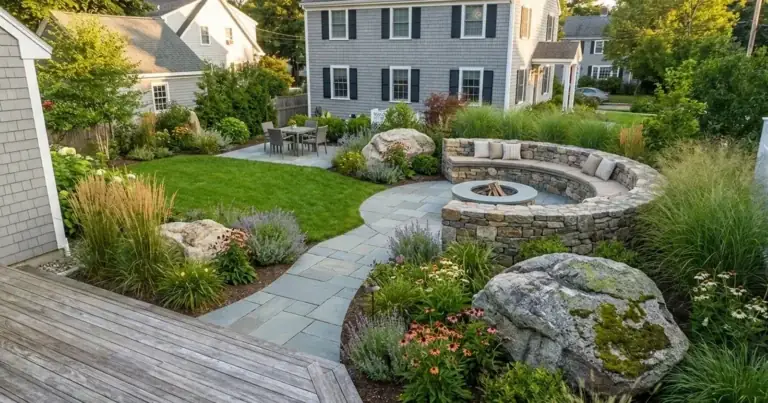
| New England Granite & Fieldstone Terraces | Northeast glacial moraines and coastal estates | Exceptional freeze-thaw durability, historic vernacular harmony, rugged textural depth. | Extremely hard stone matrix requires slow, labor-intensive diamond cutting and hand-shaping. |
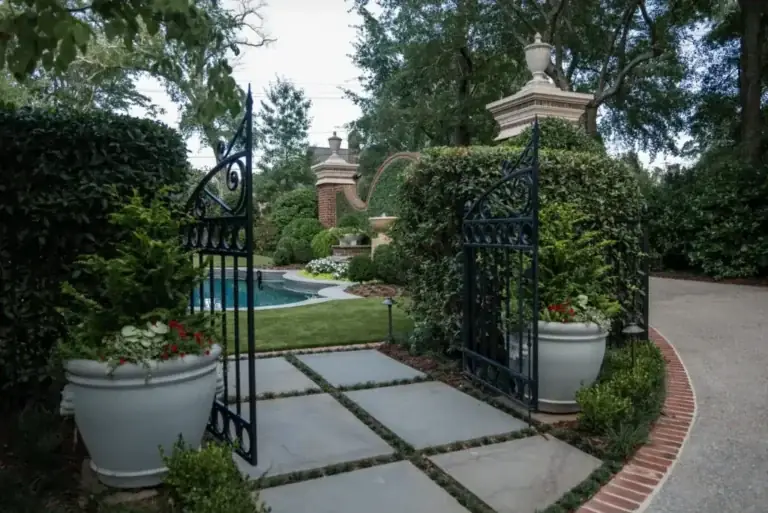
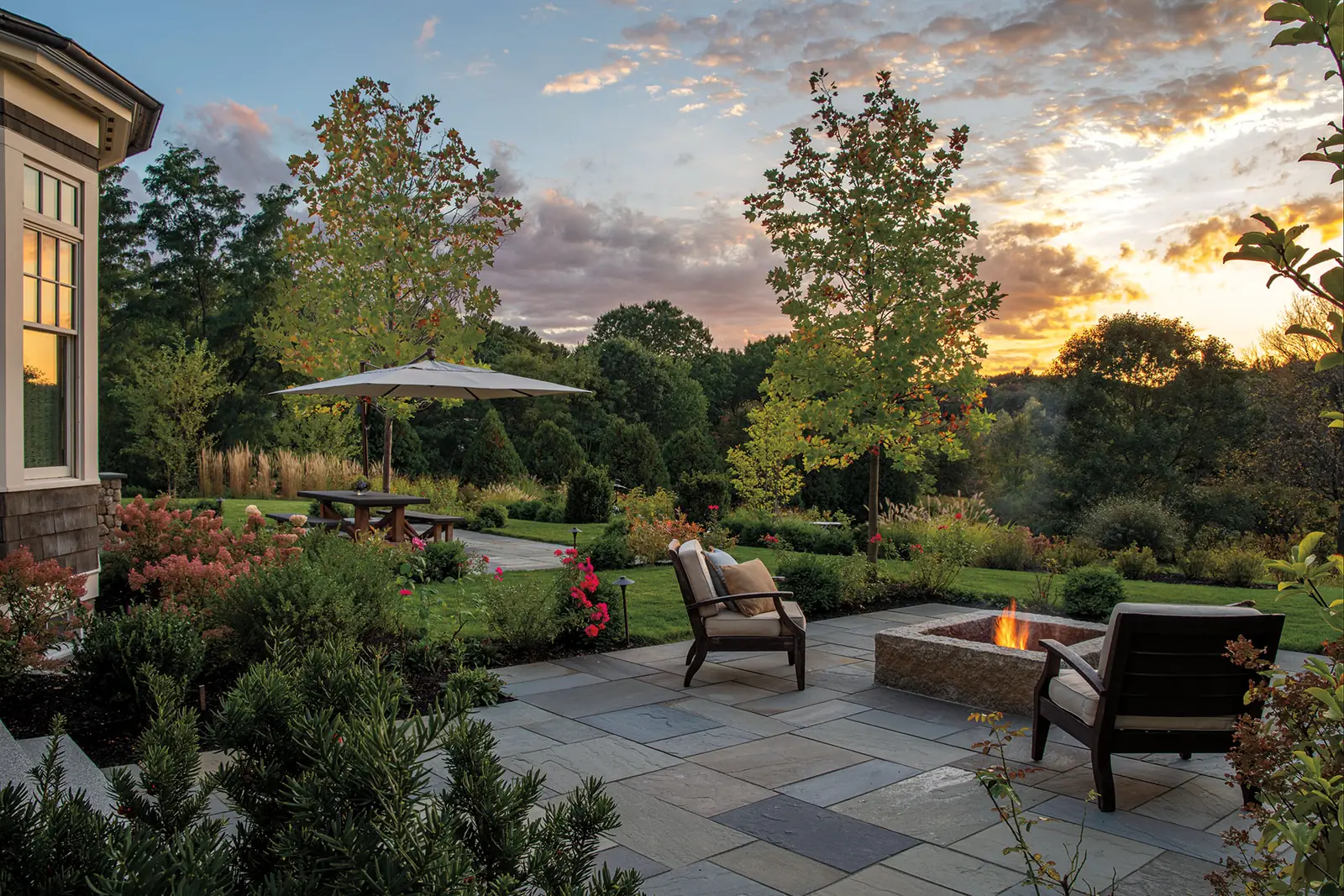
| Mid-Atlantic Bluestone Flagstone Patios | Suburban historic districts and wooded estates | Rich natural cleft texture, stunning deep blue-gray color variations, elegant cool underfoot feel. | High solar heat absorption in direct sunlight; prone to surface delamination if improperly split. |
| Western Desert Sandstone Courtyards | Southwest arid climates and canyon properties | Warm earth-tone palettes, seamless visual integration with surrounding desert topography. | Soft sedimentary structure requires specialized breathable sealants to prevent moisture erosion. |
| Southern Limestone Formal Piazzo | Southeast coastal plains and historic urban gardens | Classic pale aesthetic, superior thermal reflectivity keeping surfaces cool in high heat. | Porous matrix absorbs organic stains easily, demanding diligent sealing maintenance protocols. |
| Mountain Regional Quartzite Walkways | Alpine elevations and rugged terrain settings | Dazzling crystalline shimmer, unmatched compressive strength and load-bearing capacity. | Irregular natural splitting creates variable thickness, complicating precise masonry leveling. |
Stakeholders who properly analyze the american hardscape design lifestyle must align specific geological typologies with local climate realities and architectural contexts. New England granite and regional quartzites offer superior resistance to harsh northern frost heaves but demand specialized diamond-saw tooling. Conversely, southern limestone and western sandstone provide stunning aesthetic harmony with warm-weather environments but require careful chemical sealing to prevent staining and moisture spalling. Meanwhile, Mid-Atlantic bluestone requires meticulous sub-base drainage to prevent water entrapment beneath natural cleft slabs.
Detailed Real-World Scenarios
Understanding how custom stonemasonry and geotechnical engineering function under structural stress requires examining specific situational archetypes.
The New England Historic Coastal Estate
-
Operational Constraints: A historic coastal property required an expansive multi-tiered granite terrace that could withstand severe ocean freeze-thaw cycles and heavy winter storm surges.
-
Core Decision Points: Master masons specified locally quarried New England gray granite laid over an 12-inch open-graded crushed stone base wrapped in heavy geotextile fabric.
-
Primary Failure Modes: Using soft sedimentary stone in coastal marine environments led to rapid salt-crystallization spalling and structural crumbling.
-
Second-Order Effects: Selecting dense regional granite ensured complete resistance to frost heaving and salt corrosion to preserve structural integrity.
The Mid-Atlantic Wooded Ravine Retreat
-
Operational Constraints: A sloped residential property nestled against a wooded ravine required a custom bluestone patio that wouldn’t slide or shift down the unstable slope.
-
Core Decision Points: Structural engineers designed a tiered retaining wall system tied back with structural geogrid, topped by hand-selected natural cleft bluestone set in polymer mortar.
-
Failure Modes: Laying heavy stone terraces on unreinforced sloping soils resulted in catastrophic slope slippage and patio cracking after heavy autumn rains.
-
Second-Order Effects: Engineered terracing stabilized the hillside while providing a permanent outdoor living room tailored to the natural topography.
The Southwest Desert Courtyard Oasis
-
Operational Constraints: An arid desert residence needed an expansive outdoor gathering courtyard that remained cool under intense summer sunlight without artificial cooling.
-
Core Decision Points: Designers selected pale-hued Arizona flagstone with high solar reflectance indices, paired with deep structural overhangs and subterranean misting lines.
-
Failure Modes: Utilizing dark-colored basalt or slate that absorbs solar radiation rendered the patio surface intolerably hot during peak daytime hours.
-
Second-Order Effects: Pale stone selection drastically reduced surface temperatures to transform an otherwise scorching outdoor space into a comfortable daily living area.
The Mountain Alpine Slate Masterpiece
-
Operational Constraints: A high-elevation mountain chalet required custom slate patios and heavy stone retaining walls capable of handling immense snow loads and snowplow drift impact.
-
Core Decision Points: Artisans installed thick, hand-split regional quartzite slabs over a hydronic radiant-heated concrete slab that melted snow accumulation automatically.
-
Failure Modes: Relying on standard thin-paver installations caused cracking under the extreme weight of heavy alpine snow accumulation and winter freeze cycles.
-
Second-Order Effects: Radiant heating combined with heavy-duty stone thickness eliminated winter ice dams and protected the architectural investment.
Planning, Cost, and Resource Dynamics
Executing elite custom hardscape projects involves navigating complex financial structures extending far beyond basic material price lists. Total capital expenditures must account for custom stone quarrying, hand-chiseled artisan labor, heavy crane rigging, and specialized subsurface engineering.
| Financial Variable | Average Baseline Range | Primary Cost Drivers & Variability |
| Custom Quarry Stone Procurement | $25 to $90+ per square foot | Geological rarity; hand-splitting labor; freight transport distance from regional quarries. |
| Master Mason & Artisan Labor | $50 to $150+ per hourly tier | Complexity of dry-stack masonry; custom coping radius cuts; artisan skill rarity. |
| Subsurface Engineering & Excavation | $5,000 to $25,000+ per project | Soil bearing capacity; grading depth; retaining wall geogrid tie-back requirements. |
| Custom Drainage & Waterproofing Systems | $3,000 to $15,000+ per installation | Linear footage of French drains; sump pump integration; permeable sub-base depth. |
The primary financial consideration in luxury design involves the high opportunity cost of compromising structural foundations to save initial capital. Attempting to reduce costs by thinning aggregate bases or hiring unverified masonry labor guarantees structural shifting, cracked stone joints, and expensive tear-outs within a few operating seasons. Stakeholders who prioritize long-term performance treat foundational engineering and master craftsmanship as non-negotiable capital investments.
Tools, Strategies, and Support Systems
Navigating the execution of complex custom masonry blueprints requires specialized tools and professional partnerships that elevate exterior construction to fine art.
-
High-Torque Bridge Saws and Wet Diamond Blades enable precise, chip-free cutting of dense granites and quartzites.
-
Laser-Guided Transit Levels ensure exact sub-base grading and millimeter-precise masonry slope execution.
-
Vacuum Stone Lifters safely hoist heavy, oversized flagstone and bluestone slabs during placement.
-
Polymer-Modified Mortars and Epoxies provide flexible, high-tensile bonding across custom stone joints.
-
Geotechnical Core Samplers evaluate sub-grade soil compaction and moisture saturation levels prior to stone laying.
-
Master Masonry Guild Networks supply verified artisan labor skilled in traditional dry-stack and heritage coursing techniques.
Risk Landscape and Failure Modes
Even meticulously planned custom hardscape installations remain vulnerable to systemic environmental, geological, and material failures over time.
-
Sub-Base Saturation and Frost Heave: Water trapped in poorly drained sub-bases freezing and expanding cracks expensive natural stone slabs and displaces retaining walls.
-
Efflorescence and Mineral Leaching: Free unhydrated lime migrating through mortar joints leaves unsightly white crusty deposits across dark bluestone or granite surfaces.
-
Differential Settlement: Placing heavy stone features over uncompacted utility trench backfills causes localized sinking and tripping hazards across the patio.
-
Incompatible Joint Mortar Failure: Using rigid, high-compressive-strength mortar on flexible natural stone bases causes the mortar to shatter under natural thermal expansion.
Governance, Maintenance, and Long-Term Adaptation
Maintaining elite structural and aesthetic standards across custom hardscape assets requires disciplined operational governance and ongoing seasonal maintenance cycles. Environmental weathering, organic staining, and joint mortar degradation gradually stress exterior stonework. Therefore, property management must adhere to formal inspection protocols. Annual joint mortar repointing, bi-annual breathable stone sealing, and spring drainage clearance preserve long-term asset integrity.
This proactive governance model ensures that custom masonry installations undergo targeted restorative maintenance rather than major structural overhauls. Regular checks of drainage outlets, expansion joints, and stone stability prevent minor weathering issues from escalating into major structural failures.
Measurement, Tracking, and Evaluation
Assessing the ongoing success of custom exterior design installations involves monitoring objective engineering metrics alongside qualitative aesthetic indicators.
-
Leading Indicators: Certified soil compaction test results over 95% Proctor density, laser-verified sub-base slopes, and master mason material certification logs.
-
Lagging Indicators: Total absence of stone cracking or settling, zero retaining wall displacement, and sustained aesthetic patina over multiple decades.
-
Qualitative Signals: Tight, uniform mortar joints, clean natural stone drainage paths, and harmonious visual aging enhance the property’s architectural character.
Common Misconceptions and Oversimplifications
-
Myth: Natural stone is completely maintenance-free once installed and never requires sealing or cleaning.
Correction: Porous natural stones like sandstone and limestone absorb moisture and organic oils, requiring regular cleaning and breathable sealants to prevent staining.
-
Myth: Any experienced general contractor can install custom hardscape features without specialized masonry training.
Correction: Precision stone cutting, weight distribution in dry-stack walls, and dynamic load calculations require specialized master masonry expertise.
-
Myth: Thicker stone slabs eliminate the need for a properly engineered crushed stone sub-base.
Correction: Even 3-inch thick flagstone will crack and settle if laid over uncompacted native soil without a robust aggregate sub-base.
-
Myth: Mortar joints should be completely waterproof to prevent any water from penetrating the patio foundation.
Correction: Completely rigid waterproof joints trap moisture underneath stone slabs, causing freeze-thaw cracking; joints must accommodate slight thermal movement.
Ethical, Practical, and Contextual Considerations
Beyond pure structural mechanics and material aesthetics, elite custom hardscaping respects environmental sustainability and ethical stone sourcing. Sourcing exotic stones from international quarries with unregulated labor practices or destructive extraction methods creates severe ethical liabilities. Therefore, ethical boutique design mandates prioritizing responsibly quarried domestic stone and fair-wage artisan labor. Furthermore, incorporating permeable sub-bases and native vegetation buffer strips protects local watersheds from unnatural stormwater surges.
Conclusion
The successful execution of custom exterior environments requires navigating a sophisticated intersection of petrological science, master masonry craft, and geotechnical engineering. True architectural longevity is achieved not through mass-market shortcuts, but through rigorous attention to stone provenance, sub-base drainage, and artisanal detailing tailored to regional topographies. By looking past short-term aesthetic trends and evaluating custom outdoor construction through comprehensive engineering frameworks, property owners establish permanent, resilient masterpieces that elevate property value and stand the test of time.