Compare Hardscape Design Materials: Definitive Pillar Guide
The selection of exterior construction elements requires a rigorous evaluation of regional climatic stress, geotechnical soil profiles, and long-term structural load capacities. Across residential and commercial landscapes, property owners and civil designers must look past surface aesthetics when they evaluate and compare hardscape design materials. Choosing the right stone, concrete, or aggregate product dictates whether an outdoor installation withstands decades of environmental weathering or degrades prematurely under heavy mechanical and thermal pressure.
Achieving premier exterior durability demands an analytical approach. Surface appearance alone cannot guide complex site development. Professionals who systematically compare hardscape design materials must evaluate water absorption rates, compressive strength, flexural rigidity, and freeze-thaw resistance. Without a thorough understanding of these physical parameters, unverified material selections lead to severe surface spalling, structural cracking, and catastrophic sub-base failures across demanding geographic regions.
This analysis examines the multi-faceted architectural, engineering, and material science dimensions governing elite outdoor infrastructure planning. By investigating granular mineral properties, advanced value-engineering strategies, and life-cycle performance controls, this guide provides a definitive reference. Resilient landscape transformations rely entirely on carefully structured efforts to compare hardscape design materials prior to breaking ground.
Understanding “Compare Hardscape Design Materials”
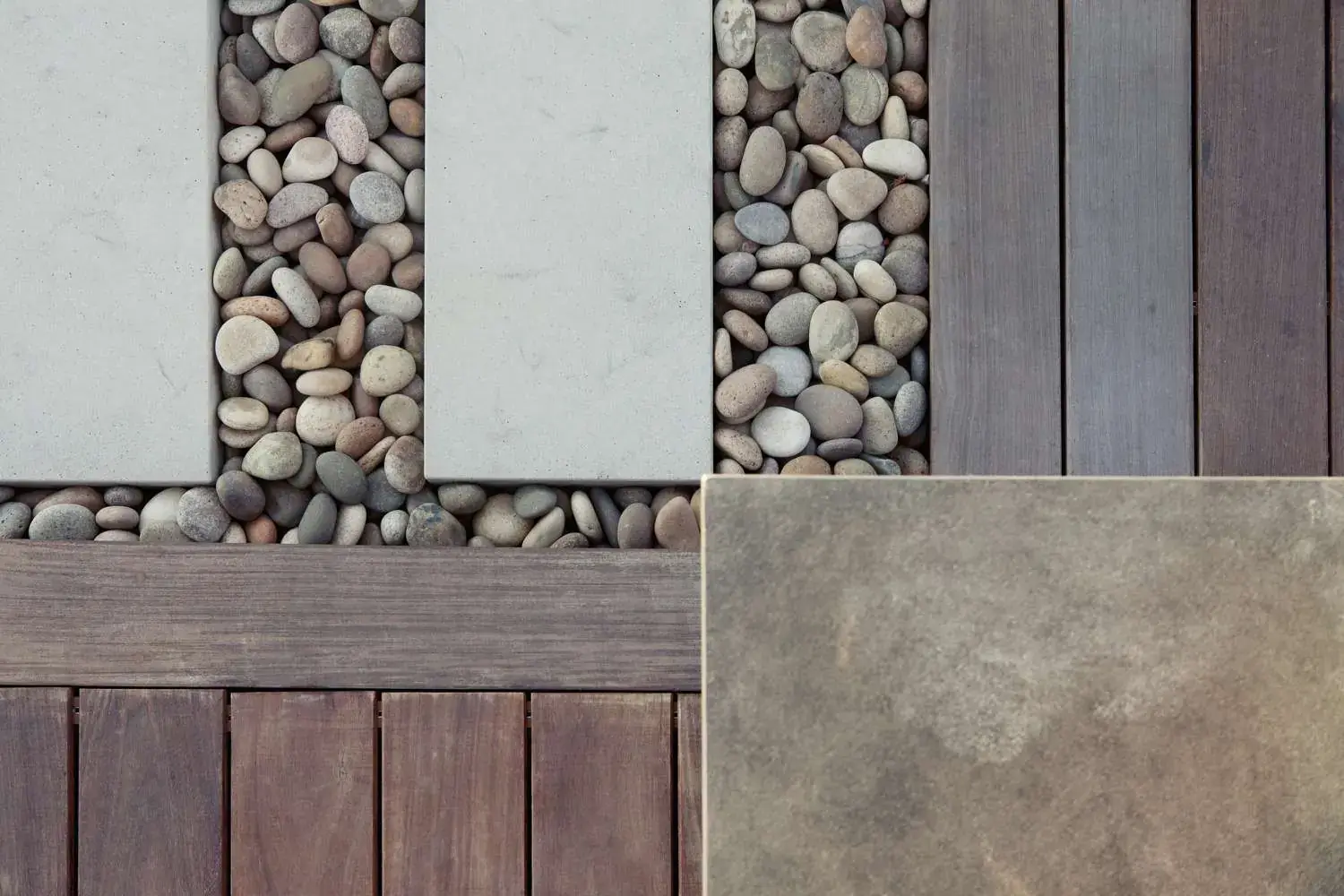
The phrase compare hardscape design materials represents a complex synthesis of geological science, civil engineering standards, and installation logistics. Evaluating these products requires moving beyond the visual allure of showroom samples or polished brochures. A frequent misconception among project stakeholders is that a universal stone or concrete paver performs identically across vastly different regional biomes, ranging from the freezing Northeast to the arid Southwest.
Oversimplification in this discipline often stems from viewing hardscaping through a purely decorative lens. While promotional materials emphasize color consistency and immediate visual impact, effective efforts to compare hardscape design materials rely on analyzing porosity, slip resistance, and thermal mass. Successful design strategies integrate regional freeze-thaw cycle data, moisture vapor transmission rates, and load-bearing thresholds directly into the material selection matrix, neutralizing environmental stress before construction begins.
Another layer of complexity involves slip-and-fall safety liabilities, municipal stormwater regulations, and long-term maintenance profiles. Because different stone compositions react aggressively to de-icing salts, pool chlorine, and intense ultraviolet radiation, municipal authorities and property managers enforce strict safety standards. Consequently, implementing a rigorous approach to compare hardscape design materials requires balancing desired architectural aesthetics with absolute structural resilience and slip safety coefficients.
Deep Contextual Background
The historical development of paving and masonry materials reflects broader shifts in industrial manufacturing, quarrying technology, and civil engineering standards. During early settlement eras, builders relied exclusively on locally sourced fieldstones, quarried flagstone, and basic timber edging out of absolute functional necessity. These primitive selections prioritized immediate availability over uniform thickness or precise compressive strength testing, leading to frequent settling and uneven surface wear.
As industrial manufacturing advanced through the nineteenth and twentieth centuries, cast concrete products and mass-produced clay bricks transformed exterior construction. This transition prioritized standardized dimensions and rapid installation timelines. However, early concrete formulas often lacked air-entrainment technology, making them highly vulnerable to winter freeze-thaw spalling and salt degradation across northern climates.
In the contemporary era, the discipline has matured into an intersection of advanced mineralogy, high-performance polymer chemistry, and rigorous geological testing. Modern projects utilize ultra-dense porcelain pavers, permeable concrete blocks, and calibrated natural quartzites. Today, elite developments rely on systematic frameworks to compare hardscape design materials as sophisticated engineering decisions, balancing sub-base compatibility with long-term ecological performance.
Conceptual Frameworks and Mental Models
Evaluating premier exterior materials benefits from structured analytical frameworks isolating physical, mechanical, and environmental variables.
-
The Compressive and Flexural Load Model evaluates structural weight distribution. It ensures that brittle materials do not fracture under heavy vehicular loads or dynamic furniture point-loads.
-
The Porosity and Freeze-Thaw Index maps water absorption rates against regional temperature extremes. It prevents internal ice lens formation from shattering stone matrices during winter.
-
The Thermal Albedo and Heat Retention Gradient measures surface solar reflectance. It prevents dark paving materials from absorbing excessive heat in arid, high-exposure climates.
-
The Friction and Slip Resistance Coefficient evaluates wet and dry traction. It ensures pedestrian safety around swimming pools, sloped walkways, and high-moisture entry corridors.
Key Categories or Variations
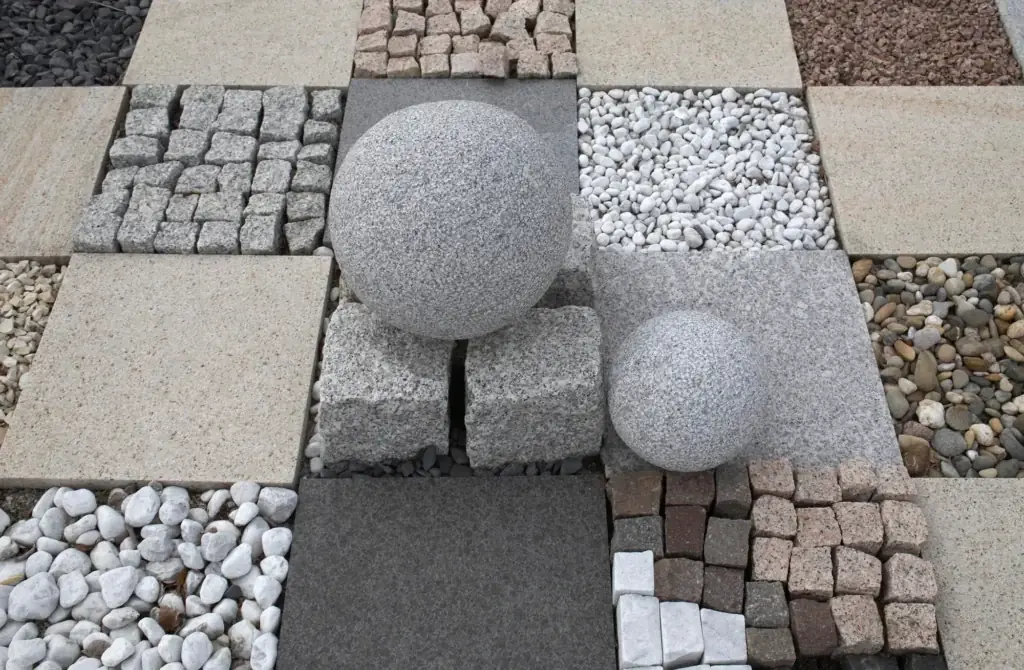
Exterior construction materials span several distinct geological and manufactured typologies. Each presents specific trade-offs regarding cost, thermal performance, and maintenance overhead.
| Material Category | Typical Application Profile | Primary Structural Advantage | Key Operational Trade-Off |
| Natural Bluestone & Flagstone | Formal patios, pool surrounds, estate walkways | Timeless architectural prestige, high flexural strength, excellent slip resistance. | High material and skilled labor costs; irregular thickness requires custom bedding adjustment. |
| Interlocking Concrete Pavers | High-traffic driveways, commercial plazas, residential patios | Modular consistency, high compressive strength, flexible joint movement under load. | Susceptible to efflorescence and joint sand washout if unsealed. |
| Exterior Porcelain Pavers | Modern rooftops, contemporary terraces, luxury pool decks | Zero water absorption, exceptional stain resistance, highly impervious to freeze-thaw damage. | Extremely brittle if installed over un-compacted or hollow sub-base voids. |
| Clay Brick Pavers | Historic restorations, traditional courtyards, entry paths | Permanent colorfastness that never fades under ultraviolet exposure; classic warmth. | Lower tensile strength than concrete; vulnerable to severe spalling if un-vetted for frost. |
| Poured Architectural Concrete | Minimalist plazas, contemporary driveways, modern steps | Monolithic geometry, customizable finish textures, seamless surface design. | Highly susceptible to cracking from ground settling without precise control joints. |
Stakeholders who properly compare hardscape design materials must align specific geological profiles with regional climate realities. Properties situated in extreme freeze-thaw northern climates must prioritize low-porosity materials like dense granite or porcelain to prevent winter cracking. Conversely, arid southern climates can leverage high-mass stone without fearing moisture expansion cycles. Meanwhile, heavy vehicular zones demand thick interlocking concrete pavers over rigid sub-bases.
Detailed Real-World Scenarios
Understanding how professional material evaluations function under stress requires examining specific situational archetypes.
The Freeze-Prone Midwestern Driveway Court
A residential property in a region experiencing deep winter frost penetration and heavy de-icing salt applications required a high-durability surface. Engineers performed a detailed assessment to compare hardscape design materials, ultimately specifying 80mm interlocking concrete pavers over a 12-inch crushed aggregate sub-base. Unvetted poured concrete would have scaled and spalled rapidly under aggressive winter salt application. Consequently, the modular paver selection ensured long-term structural flexibility and salt resistance.
The Subtropical Coastal Pool Deck
A coastal estate facing intense ultraviolet radiation, high humidity, and salt-laden air required a barefoot-friendly, slip-resistant paving solution. Planners evaluated various stones, selecting light-colored, high-albedo coral stone and textured porcelain pavers. Dark, heat-absorbent granite would have burned bare feet under direct tropical sun, while porous limestone would have degraded from salt crystallization. The chosen materials maintained comfortable surface temperatures and chemical resistance.
The Arid Desert Courtyard
An installation enduring extreme diurnal temperature swings and intense solar radiation required high thermal resilience. Designers analyzed stone expansion rates to compare hardscape design materials, selecting decomposed granite and massive sandstone slabs with wide, flexible joint spacings. Rigid mortar installations would have fractured rapidly due to thermal shock. The flexible mineral configuration accommodated daily expansion cycles without structural failure.
The Pacific Northwest Sloped Walkway
A hillside residential path managing persistent winter rainfall, saturated clay soils, and high erosion risks demanded high traction and drainage capacity. Crews utilized textured natural bluestone set on open-graded, permeable crushed aggregate beds. Impermeable solid concrete slabs would have redirected runoff into concentrated streams, causing severe slope erosion. The permeable stone installation managed heavy rainfall safely.
Planning, Cost, and Resource Dynamics
Executing elite material procurement involves navigating complex financial structures extending far beyond basic per-square-foot material price tags. Total expenditures must account for freight delivery fees, heavy pallet offloading, diamond-blade cutting waste, and specialized installation labor.
| Expense Category | Average Baseline Range | Primary Cost Drivers & Variability |
| Quarry-Direct Natural Stone | $25 to $65+ per square foot | Sourcing distance, freight weight surcharges, custom thickness calibration requirements. |
| Manufactured Concrete Pavers | $8 to $22 per square foot | Mold complexity, color-blend pigment quality, regional manufacturing plant proximity. |
| High-Density Porcelain Pavers | $15 to $35 per square foot | Import tariffs, specialized diamond wet-saw cutting requirements, pedestal systems. |
| Specialized Installation Labor | $12 to $30+ per square foot | Pattern intricacy, heavy lifting equipment rentals, precise sub-grade grading labor. |
The primary financial consideration in material selection involves the high opportunity cost of purchasing low-cost, high-porosity materials for severe climates. Opting for cheap, soft sandstone in a freeze-prone region to save upfront costs leads to total material failure within three winters. Therefore, stakeholders who thoroughly compare hardscape design materials prior to purchase treat upfront material expenditure as a long-term capital investment.
Tools, Strategies, and Support Systems
Navigating the execution of complex material deployment requires systematic tools and professional partnerships that bypass basic trial-and-error limitations.
-
Mohs Hardness Test Kits and Geotechnical Scratch Testers evaluate mineral scratch resistance and surface durability.
-
Water Absorption Testing Chambers measure porosity percentages to verify freeze-thaw suitability.
-
Diamond-Blade Wet Saws and Hydraulic Paver Splitters allow for precise, clean perimeter cuts across hard stone and porcelain matrices.
-
Geological Quarry Data Sheets supply critical mineral composition, flexural strength, and slip coefficient metrics.
-
Collaborative Digital Material Libraries ensure design teams review verified physical samples rather than digital screen renderings.
-
Professional Masonry Guild Networks provide empirical performance data regarding regional material longevity.
Risk Landscape and Failure Modes
Even meticulously specified exterior materials remain vulnerable to systemic degradation and environmental failure over time. Freeze-thaw spalling occurs when high-porosity stones absorb moisture that expands upon freezing, blowing apart the mineral face. Efflorescence creates stubborn white mineral deposits on concrete pavers as free calcium migrates to the surface via moisture evaporation. Furthermore, acid rain and organic tannin staining can permanently discolor unprotected limestone and marble surfaces if impregnating sealants are omitted.
Governance, Maintenance, and Long-Term Adaptation
Maintaining elite structural and aesthetic standards across diverse exterior materials requires disciplined operational governance and seasonal maintenance cycles. Environmental weathering, organic debris accumulation, and chemical exposures accelerate surface wear. Therefore, property management must establish formal inspection protocols. Spring pressure washing, annual polymeric sand joint checks, and periodic impregnating sealer applications preserve material integrity, backed by professional evaluations following severe storm events.
This proactive governance model ensures that high-impact patios and walkways undergo targeted restorative maintenance rather than premature replacement. Regular checks of surface drainage, joint sealing, and stone stability prevent minor environmental weathering from escalating into major structural failures.
Measurement, Tracking, and Evaluation
Assessing the ongoing performance of exterior materials involves monitoring objective physical metrics alongside subjective aesthetic indicators. Leading indicators include zero surface spalling after the first winter frost, absolute colorfastness under ultraviolet exposure, and stable joint sand retention. Lagging indicators encompass total absence of sub-base shifting, zero structural cracking across high-traffic zones, and sustained slip-resistance coefficients. Qualitative signals involve the enduring tactile appeal of natural stone textures and seamless integration with surrounding architecture.
Common Misconceptions and Oversimplifications
-
All natural stone is inherently durable enough for exterior use in any climate. Certain sandstones and limestones possess high porosity that causes them to disintegrate rapidly in freeze-thaw northern climates.
-
Porcelain pavers can be installed on standard sand beds just like concrete pavers. Because porcelain has zero flexural give, it requires rigid concrete slabs or specialized pedestal systems to prevent cracking under point loads.
-
Dark-colored paving stones remain cool to the touch during summer months. High-albedo absorption causes dark stones to reach extreme surface temperatures, making barefoot walking uncomfortable in arid zones.
-
Sealed pavers never require maintenance or re-application of protective coatings. Topical and impregnating sealants degrade under ultraviolet exposure and foot traffic, requiring periodic re-application every few years.
Ethical, Practical, and Contextual Considerations
Beyond pure structural mechanics and financial metrics, material selection must respect ethical quarrying practices and environmental context. Transporting heavy natural stone across continents carries a substantial carbon footprint. Therefore, sustainable site design mandates prioritizing regionally quarried materials whenever possible. Furthermore, responsible sourcing ensures that quarry workers operate under safe labor conditions and that extraction sites undergo proper post-mining ecological restoration.
Conclusion
The successful execution of complex outdoor environments requires navigating a sophisticated intersection of geology, material science, and civil engineering. True site durability and aesthetic longevity are achieved not through superficial marketing claims, but through rigorous efforts to compare hardscape design materials using objective physical data tailored to regional climates. By looking past surface trends and evaluating materials through comprehensive analytical frameworks, property owners establish permanent, resilient landscapes that elevate long-term operational value.